
Rogers 5880 vs. 4003C: Selecting the Right High-Frequency Laminate
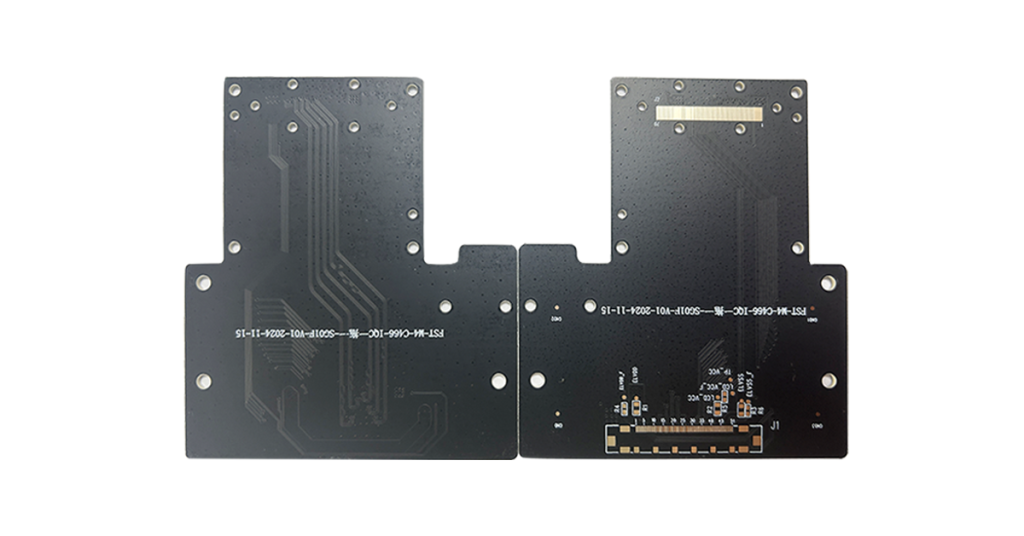
In the world of RF and microwave circuit design, choosing the right PCB substrate is foundational to achieving superior performance. Rogers Corporation offers a range of leading materials, with RT/duroid 5880 and RO4003C standing out as two of the most prominent options. However, engineers often face a dilemma when selecting between them. This is because […]
Key Electrical Indicators for Selecting High-Frequency PCB Materials
In modern high-frequency circuit design, the choice of PCB substrate directly affects signal integrity, transmission rate, and system reliability. To ensure high-frequency performance, the following key indicators and material selection considerations must be emphasized. 📊 1. Key Electrical Indicators ⚖️ 2. Thermal and Physical Properties 🛡️ 3. Reliability and Process Characteristics ⚠️ 4. Material Selection […]
High-Frequency PCB Material Selection Guide: Key Applications of Rogers RO4350B in 5G Communications
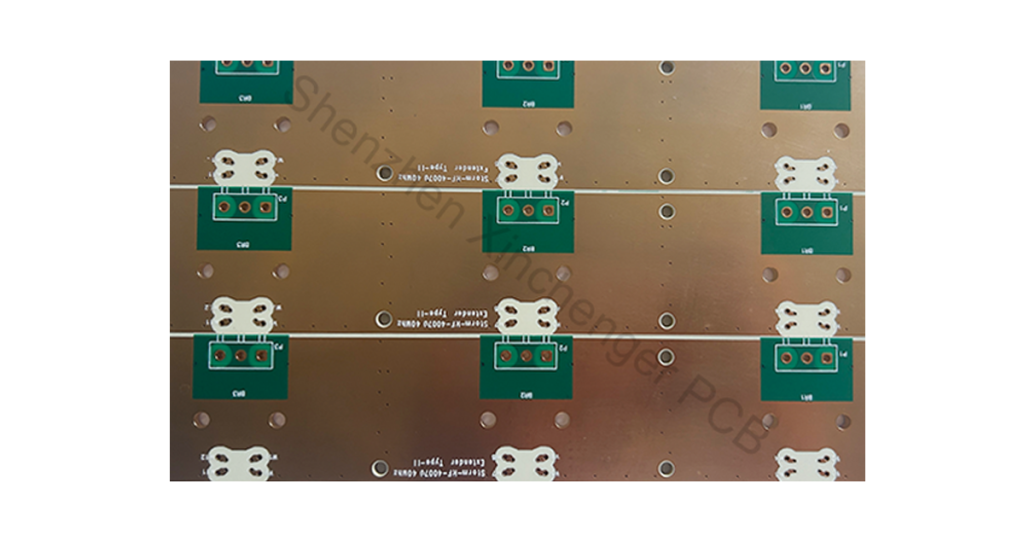
With the accelerated commercialization of 5G technology, high-frequency PCB material selection has become a critical consideration in communication equipment design. Rogers RO4350B, widely recognized as a high-performance high-frequency laminate, plays a pivotal role in 5G base stations, millimeter-wave devices, and other key applications due to its unique material properties and stable electrical performance. 1. Analysis […]
Comprehensive Comparison: F4B vs. RO4350B High-Frequency Materials – Expert Analysis
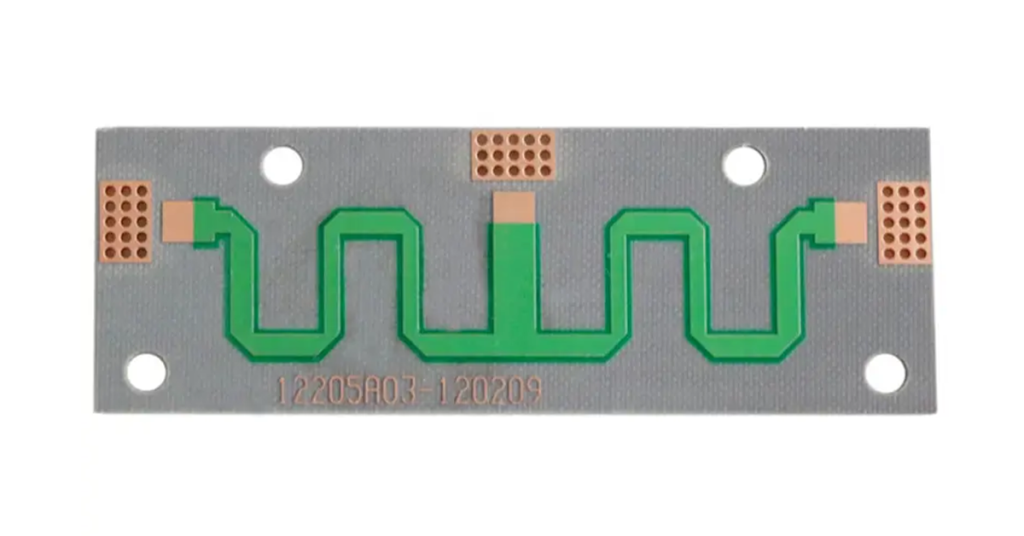
1. Key Material Property Differences As a leading high-frequency RF PCB manufacturer, our test data reveals critical distinctions: 2. Critical Fabrication Process Contrasts 1. Drilling Technology 2. Surface Finishing 3. Multilayer LaminationF4B demands “low-temperature slow-press” (290°C/3.5MPa/120min cooling), while RO4350B uses conventional parameters (220°C/2.5MPa/60min). Our F4B PCB factory optimizes ramp rates (≤2°C/min) to counter PTFE’s high CTE. 3. Application-Specific Selection Guide […]
HDI PCB vs Traditional PCB: Comprehensive Technical Comparison & Selection Guide
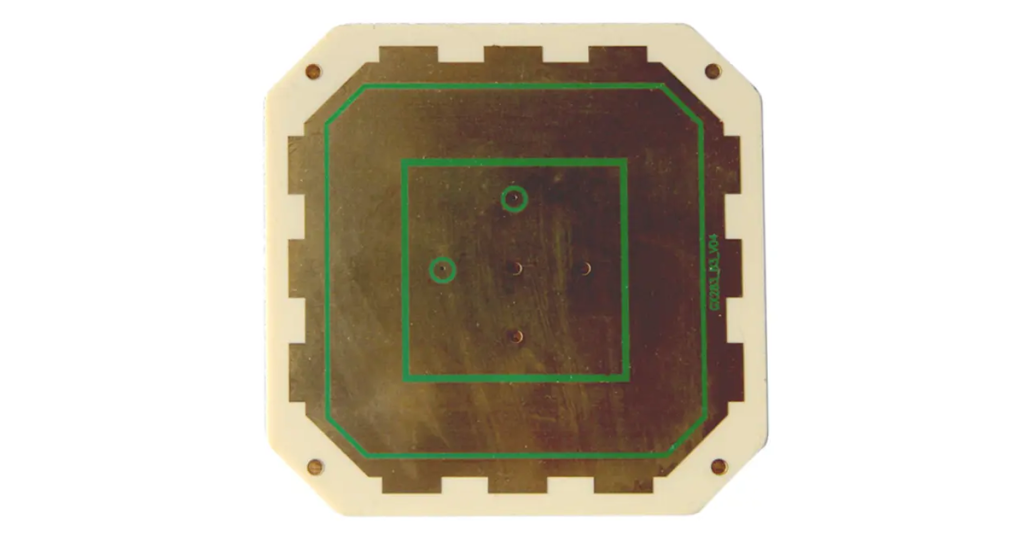
Understanding HDI Technology: A Manufacturer’s Perspective As electronics trend toward miniaturization and high performance, HDI (High Density Interconnect) PCBs with blind/buried vias have become essential for advanced devices. Unlike traditional PCBs that use through-hole technology, HDI boards produced by specialized HDI PCB manufacturers feature: ✓ Fine lines/spacing: ≤100μm (vs 150-200μm in traditional PCBs)✓ Microvias: ≤150μm diameter (vs 200μm mechanical drilling limit)✓ Advanced […]
Avoid the Traps! 3 Core Indicators of High-Quality High-Frequency PCBs
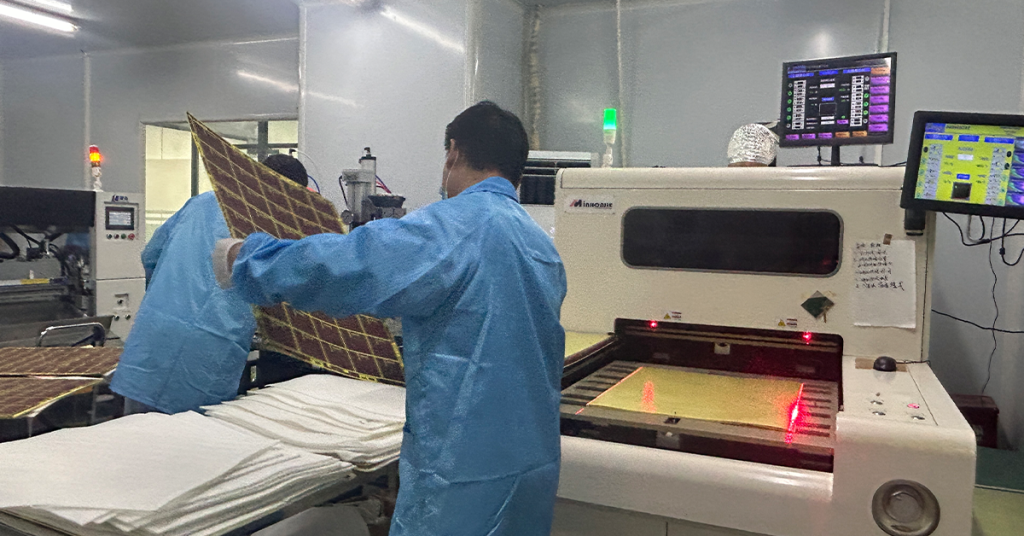
如何鉴别高质量高频PCB:3项关键性能指标 高频PCB广泛应用于5G通信、雷达系统、卫星设备、汽车电子和射频应用等领域。随着信号频率的不断提高,PCB的性能直接影响信号完整性、传输稳定性以及整个系统的可靠性。 然而,市面上高频PCB的质量参差不齐。选择错误的材料或制造商会导致信号损失、阻抗不稳定,甚至造成代价高昂的产品故障。对于希望降低风险、提升产品性能的工程师、OEM厂商和采购团队而言,了解核心质量指标至关重要。 本指南解释了决定高频PCB质量的三个关键因素,以及如何在采购前评估这些因素。 1. 介电常数 (Dk) 稳定性:信号传输的基础 介电常数(Dk)是高频PCB设计中最重要的电学特性之一。它决定了电磁信号如何在PCB材料中传播。 稳定的介电常数(Dk)可确保阻抗的一致性和可预测的信号传输。如果介电常数随温度或频率发生显著变化,则可能出现信号失真和传输错误。 为什么DK稳定性很重要 低而稳定的Dk值有助于: 减少信号延迟 提高相位一致性 最大限度减少插入损失 保持高速电路中的信号完整性 优质高频PCB材料,如PTFE和Rogers层压板,其Dk值通常在2.2到3.5之间,变化很小。 Google Scholar 上发表的行业研究表明,稳定的介电材料可以将 5G 毫米波系统的插入损耗降低 15% 以上。 如何验证DK质量 评估供应商时,请询问: 材料数据表 频率依赖性Dk测试报告 热稳定性数据 第三方实验室认证 可靠的制造商应该为其高频PCB材料提供透明的测试文档。 2. 损耗因子 (Df):实现低信号损耗的关键 损耗因子 (Df) 用于衡量信号在传输过程中以热量形式损耗的能量。在高频应用中,即使 Df 值略有增加,也会对信号质量产生显著影响。 Df值越低,信号衰减越小,传输效率越高。 推荐的自由度值 适用于射频和微波PCB应用: 理想自由度:≤0.001 先进射频设计的可接受范围:0.001–0.003 劣质PCB材料(高Df值)通常会导致: 信号衰减 天线效率降低 插入损失增加 通信不稳定 最佳材料选择 常用于低密度(Df)应用的高性能材料包括: 聚四氟乙烯基层压板 陶瓷填充烃类材料 罗杰斯高频层压板 Taconic射频材料 […]
FR4 substrates vs high-frequency materials

Introduction to FR4 and High-Frequency PCBs FR4 is a widely used material for PCBs, representing a class of glass-reinforced epoxy laminate. The acronym “FR” stands for “flame retardant,” a critical property for materials used in electronics. FR4 serves as the baseline substrate in many electronic applications because of its mechanical strength, chemical resistance, and excellent dielectric […]
Selecting PCBs for RF and Microwave Applications

Introduction Radio Frequency (RF) and Microwave applications are critical in modern communication systems, medical devices, aerospace technologies, and a myriad of electronic devices. The PCB (Printed Circuit Board) serves as a foundation for these applications, influencing their efficiency, performance, and reliability. Choosing the right PCB for RF and Microwave designs can be a complex task […]