
Choosing the Right Material for Your RF PCB Designs
One of the earliest decisions in an RF design is material selection. Many RF designs begin on standard FR-4 because of its availability and cost advantages, but as operating frequency increases, material properties start having a greater impact on performance. The challenge is determining when FR-4 is adequate and when a low-loss RF laminate becomes […]
6 Tips for Selecting RF and Microwave PCB Materials
Selecting the right PCB materials for RF and microwave applications is crucial for achieving optimal performance. Given the unique demands of high-frequency circuits, such as minimal signal loss and stable electrical properties, material choices can make or break your design. Here’s a more detailed look at the six essential tips to guide you through choosing […]
How to Choose High-Frequency, High-Speed Circuit Board Materials

When selecting PCB materials, it is essential to strike a balance between design requirements, manufacturability, and cost. Simply put, design requirements encompass both electrical and structural reliability. Typically, material selection becomes particularly critical when designing very high-speed PCBs (operating at frequencies above 1 GHz). For example, the commonly used FR-4 material has a high dielectric […]
Complete Guide to High-Frequency PCB Laminate Selection and Brands
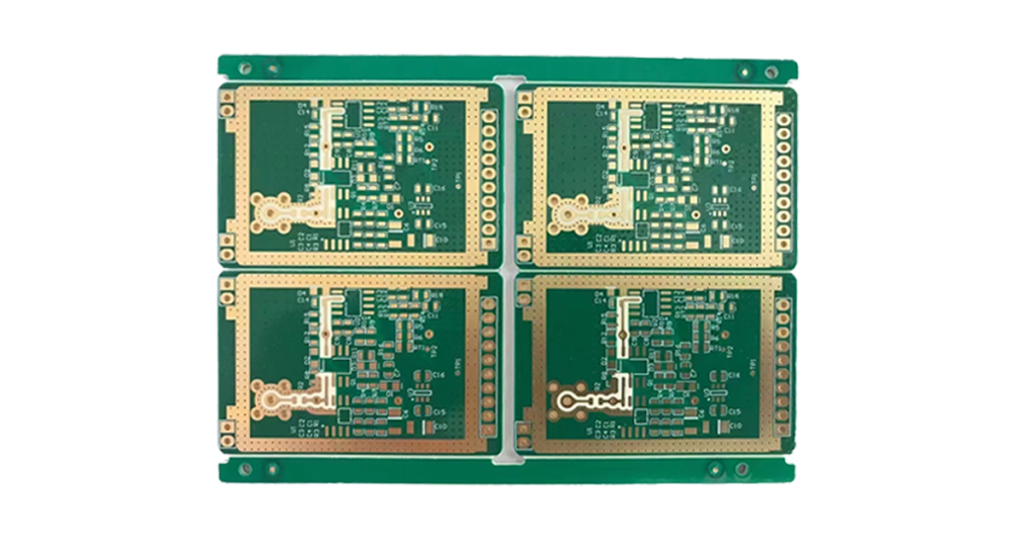
I. Decoding the “Physical Language” Behind MaterialsThe core of high-frequency laminate performance lies in understanding the interaction between electromagnetic waves and materials. Mastering these three parameters is essential: The stability of the Dielectric Constant (Dk) is far more critical than its nominal value. Many beginners focus only on room-temperature Dk but overlook the Temperature Coefficient (TCDk). In […]
Why Can Taikangli TLY-5 High-Frequency Laminate Replace Rogers RO5880?
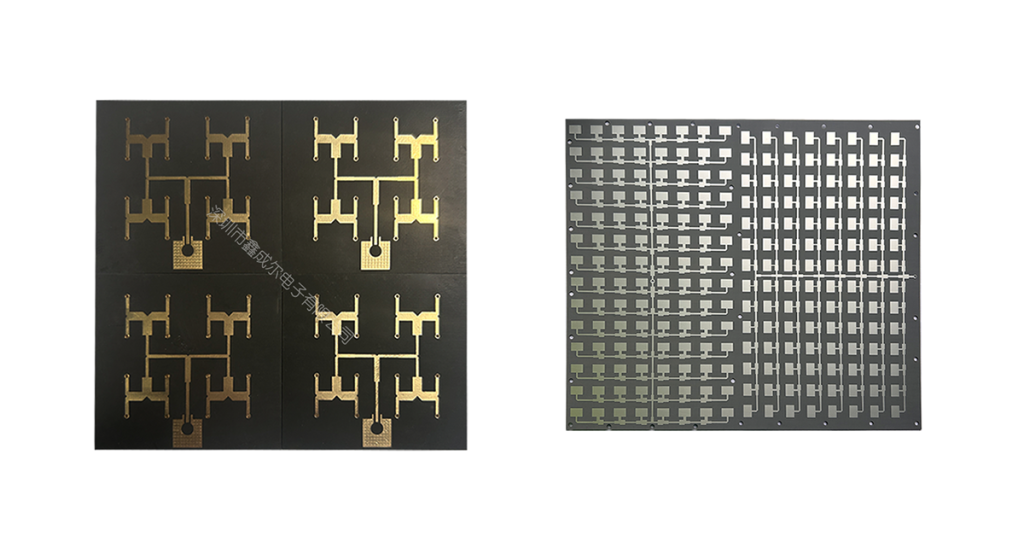
In high-end fields such as 5G communication, satellite RF, and automotive radar, the selection of high-frequency circuit laminates is critical. For a long time, Rogers RO5880 has been regarded as an industry benchmark due to its excellent performance. However, with the growing demand for localization and technological breakthroughs, Taikangli TLY-5 is becoming a popular alternative for engineers. This article […]
High-Speed vs. High-Frequency: The Core PCB Technology for AI & Optical Modules Decoded
Traditional high-frequency PCBs and the high-frequency, high-speed boards required for AI servers and high-speed optical modules often share the prefix “high-frequency” in industry terminology, which can easily lead to confusion. However, a deeper analysis of their technical cores and application scenarios reveals a vast “technological generation gap” between them. In terms of material science, performance […]
Detailed Technical Analysis: Rogers RT/duroid 5880 vs. Taconic TLY-5 High-Frequency Laminates
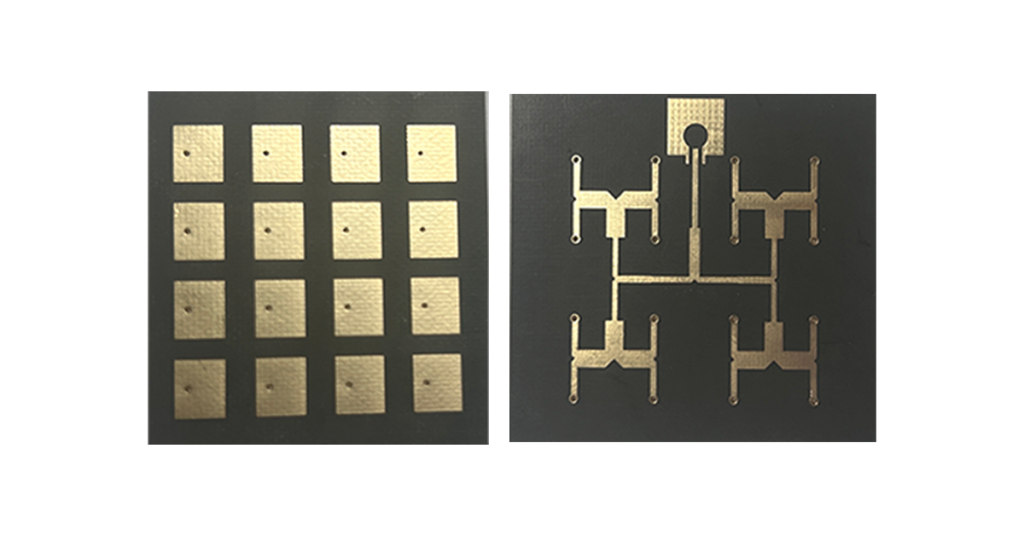
1. Material Composition and Core Technology Rogers 5880 represents the premium segment of PTFE-based materials with its patented ceramic microfibers randomly dispersed in the polymer matrix. This unique construction eliminates the directional dielectric variations common in woven glass reinforcements, achieving near-perfect electrical isotropy. The material’s dielectric constant remains exceptionally stable across broad frequency ranges (2.20 […]
Core Differences: Material Composition and Application Divergence
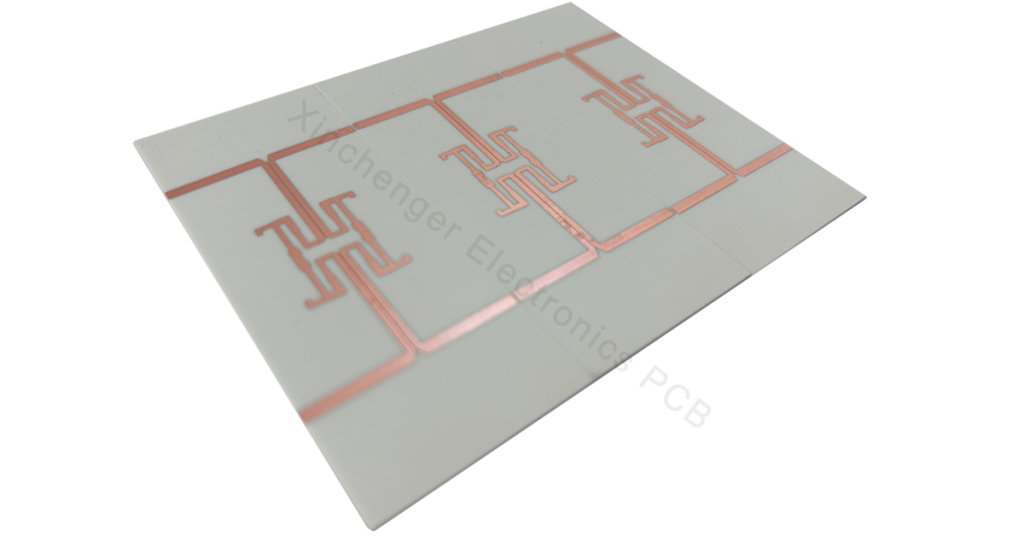
Although both Rogers 4003C and 3003 belong to the RO4000® series glass-reinforced hydrocarbon ceramic laminates, their key distinction lies in the filler material and performance focus, which directly dictates their application areas. 1. Dielectric Material and Electrical Performance 2. Mechanical Properties and Fabrication Process 3. Primary Application Fields Discussion on Performance Extensibility From a technological evolution […]
Rogers RO3010 vs. RO6010 – How to Choose the Best Foundation for Your RF Circuit
In the precise world of Radio Frequency (RF) and microwave circuit design, the choice of Printed Circuit Board (PCB) substrate is critical. It directly determines circuit performance, reliability, and final cost. Among the many high-performance materials, Rogers Corporation’s RO3010 and RO6010 are two standout stars. While both belong to the family of high-frequency ceramic-filled PTFE […]
Cost-Effective High-Frequency Solutions: Analysis of RO4003C Material Alternatives for Academic Research
In RF and microwave circuit research within academic settings, students often face a practical dilemma: cutting-edge design theories require high-performance PCB materials for validation, but the high cost of premium materials like Rogers RO4003C strains limited research budgets. While RO4003C is renowned for its stable electrical properties and low loss, making it ideal for commercial […]
High-Frequency PCB Material Selection Guide: A Deep Dive into How Dk/Df Parameters Impact 5G Circuit Performance
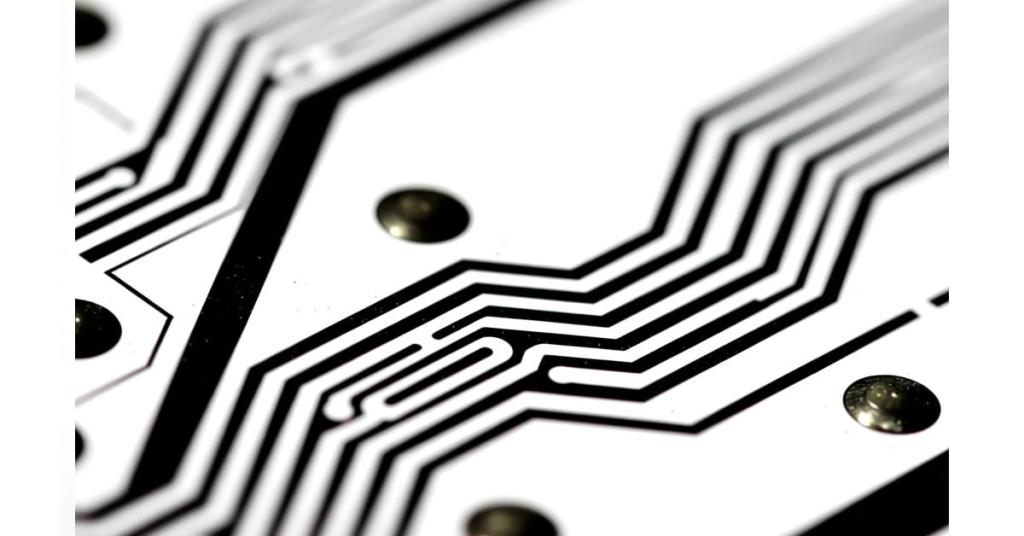
In the rapidly evolving landscape of 5G technology, from millimeter-wave base stations to high-end routers, and from autonomous vehicle radars to IoT devices, the core of every advanced system is a high-performance high-frequency circuit board. The foundation that determines the high-frequency performance of these PCBs is the laminate material used. For engineers, making the correct […]
Rogers 4350B vs FR-4: Key PCB Differences
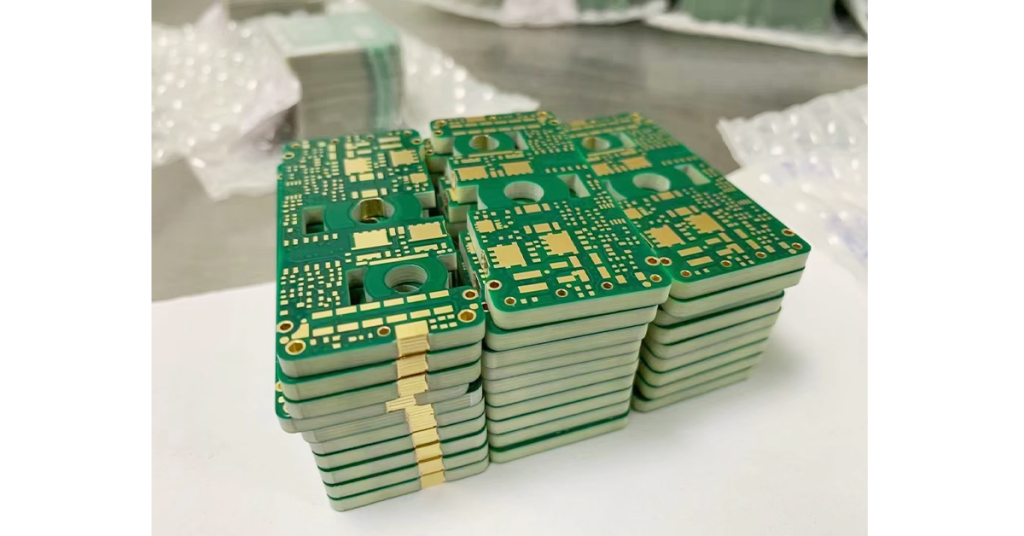
Comparison Understanding the fundamental differences between specialized high-frequency circuit boards and standard ones is critical for advanced electronic design. This analysis contrasts the Rogers 4350B high-frequency laminate with common FR-4 PCBs, highlighting key performance distinctions. 1. The Core Differentiator: Signal Integrity Performance Standard FR-4 PCBs, made from epoxy glass laminate, serve as a general-purpose insulator […]